
A Useful Lesson from Your Refrigerator
How spray foam insulation and independent ductless mini splits work together in a barndominium
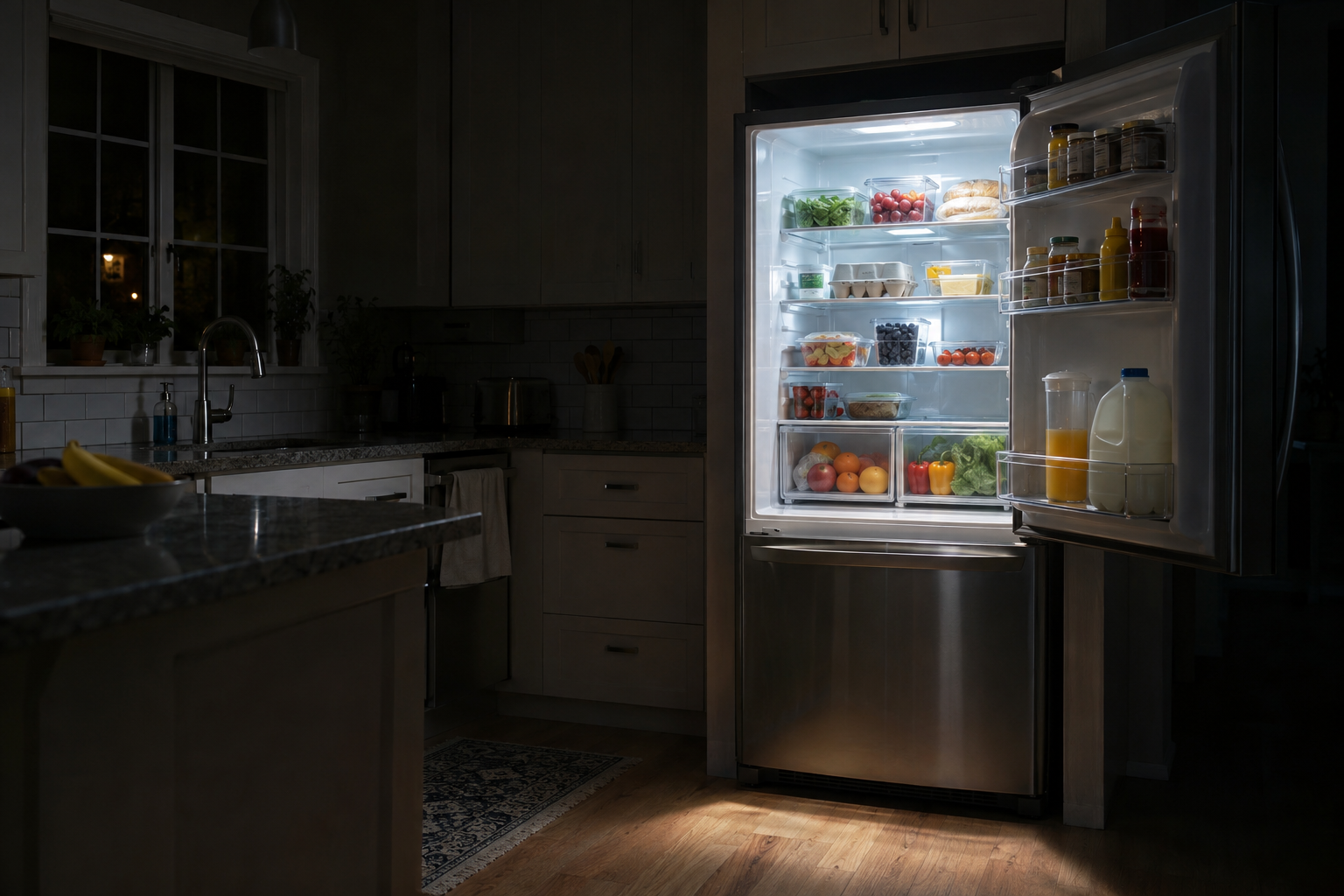
What does your refrigerator know about comfort that a homebuyer should know, too? It does not rely on cooling equipment alone. Insulated walls slow heat entering the compartment, while the refrigeration system removes heat that gets inside. Modern refrigerators use foam insulation to get that job done. [1]
Imagine leaving the refrigerator door open and expecting it to keep everything cold efficiently. An older home with unsealed air leaks faces a similar challenge: conditioned air escapes while outdoor air moves in. The scale is different, but the lesson is the same. Close the gaps instead of asking the equipment to make up for them.
Before asking equipment to work harder, give it less heat to fight.
Start with barndominium wall and roof insulation
At Buckwild Barndominiums, we take the battle away from the equipment, making them work smarter, not harder.
At Buckwild Barndominiums, saving money begins at the beginning of the building process, not after the finishes are chosen. Foam insulation helps resist heat flow and seal air leaks. But it's the complete assembly: insulation, framing, joints, windows, doors and roof details working together that make the difference from day 1. [2]
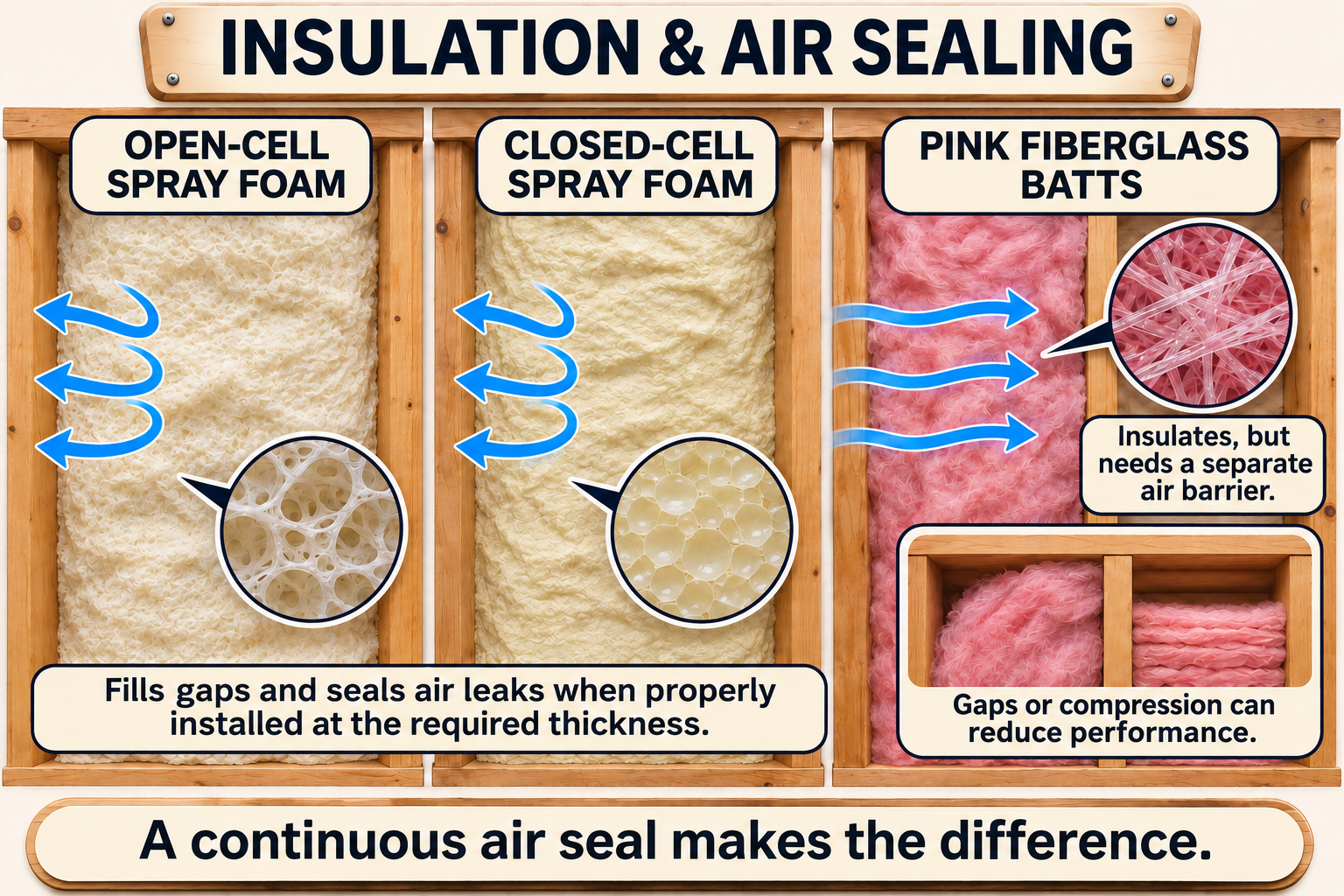
You can read the R-value on a package of pink insulation and assume that is what your home will deliver. It is useful information, but a large number on one product label does not tell you the final result. Poor installation, gaps, ducts routed through wall cavities and heat moving through framing can all affect performance.
At Buckwild Barndominiums, 40 years of experience and caring about the final result have led us to our own process: the Buckwild ForiBuild System™. The right spray foam, ductless HVAC and correctly installed double-pane windows can lead to lower bills and a more comfortable home. The ability to set different areas to different temperatures solves a lot of everyday comfort problems.
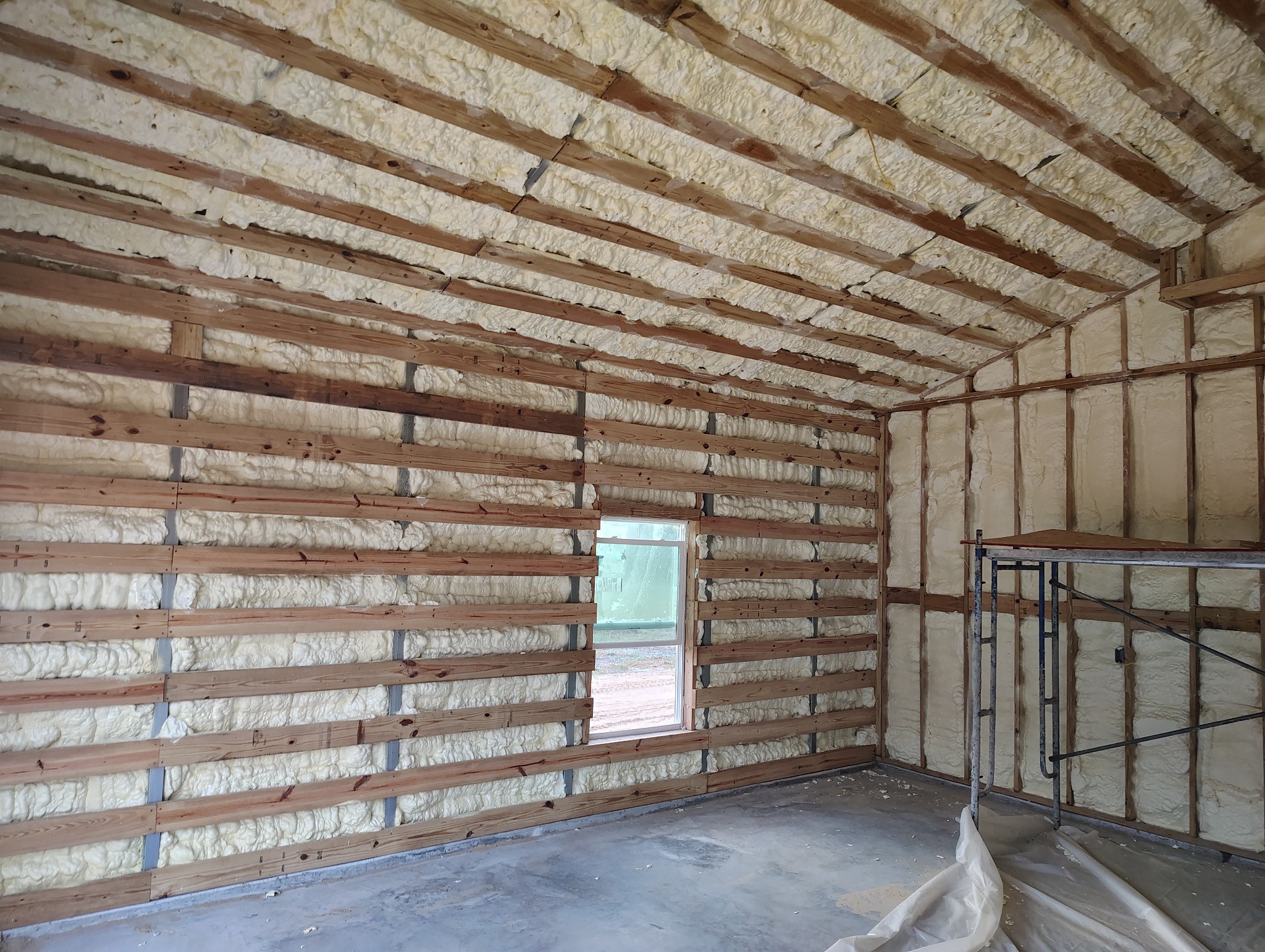
Actual Buckwild barndominium under construction. Photo supplied by Buckwild.
Comfort should not depend on one machine
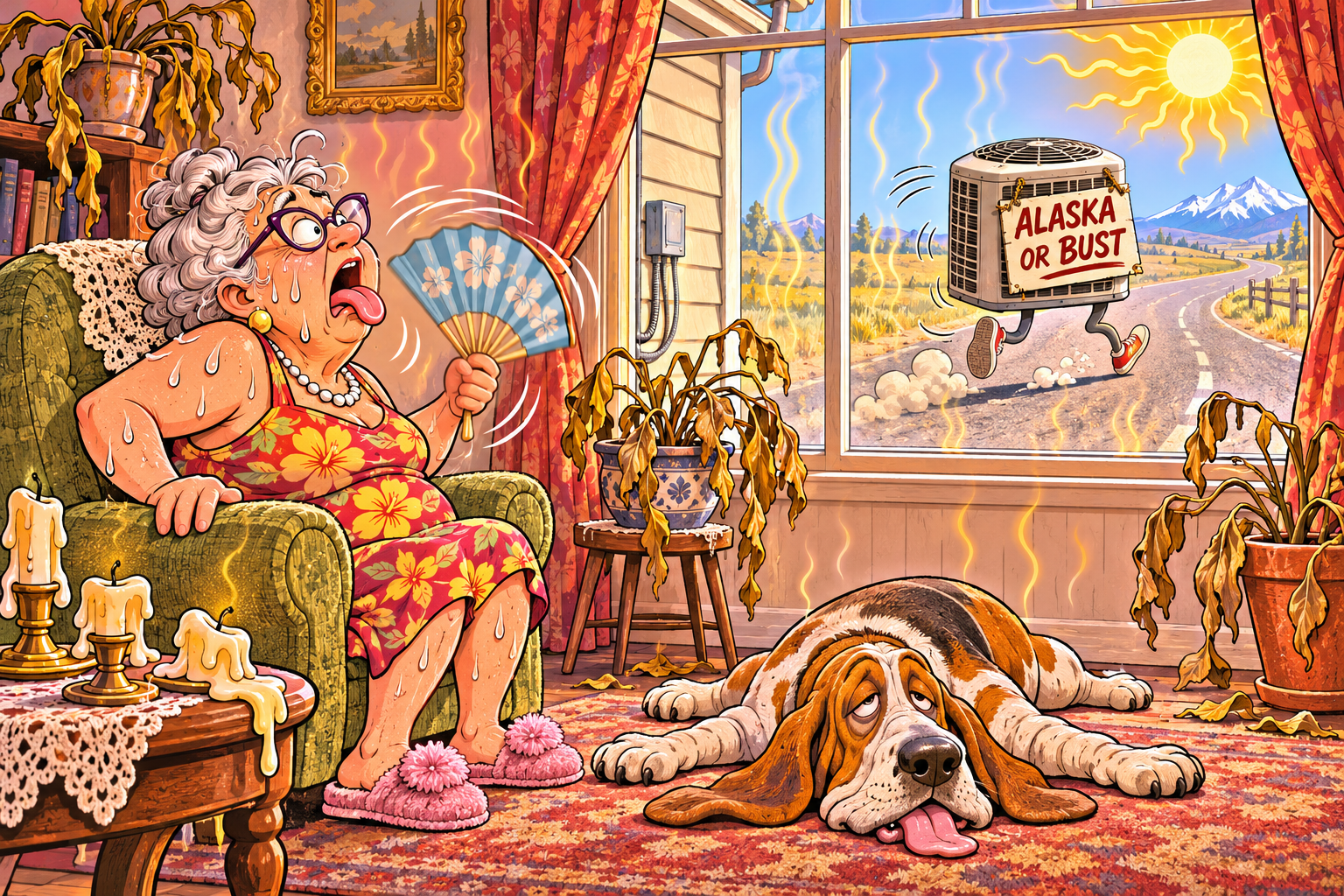
We’ve all been there. It’s the hottest day of the year, and the air conditioner decides it’s time for a vacation.
At 95°F indoors, a failed air conditioner can quickly become much more than an inconvenience. Older adults are especially vulnerable to heat-related illness. Plants can wilt, soft wax candles can lose their shape, and prolonged heat and humidity can take a toll on heat-sensitive finishes and other parts of the home. Keeping some rooms cooled while one system is repaired can make a meaningful difference to the people and belongings inside.
Brian Foshee describes Buckwild’s approach as using mini-splits with separate outdoor units. The important detail is not simply having several controls on the wall. It is having separate, independent heating and cooling systems.
Picture a home with independently served living and sleeping zones. Years from now, one outdoor unit needs a repair. If that fault is confined to its system and the others still have power, the unaffected systems can continue conditioning their own zones. A single equipment problem need not shut down every conditioned area in the home.
Energy efficiency starts with the whole home design
Ductless systems avoid the energy losses associated with ducts in unconditioned spaces. Zoning also gives families more control over individual areas. Equipment selection, weather, thermostat settings and the home’s construction all influence the bill. [4]
The mechanical design should use room-by-room heating and cooling loads, properly matched equipment and a plan for humidity and fresh air. Bigger equipment is not automatically better.
Multiple outdoor units also mean multiple pieces of equipment to locate, maintain and eventually replace. That tradeoff should be part of the conversation. The goal is a layout that suits the family and the house, rather than choosing a system by a label alone.
The hidden cost of attic ductwork
Ductwork adds another journey between the cooling equipment and your family. In a hot attic, cooled air gains heat as it travels through the ducts. Longer runs expose more surface area to that heat and add airflow resistance. Leaking seams, damaged ducts or disconnected joints can send conditioned air into the attic instead of the rooms you paid to cool.
Ducts also take up space. Runs laid low across an attic floor can obstruct access and complicate the installation of a continuous layer of insulation around them. Eliminating those distribution runs removes an obstacle from the attic and an extra system to inspect, seal and repair.
There is a housekeeping side to the story, too. Dust can collect inside ducts. Openings can give insects and rodents access, while moisture can support mold growth. Ductless mini-splits deliver conditioned air directly to their zones without that hidden distribution network. That difference became especially memorable to me after a friend shared an experience I have never forgotten.
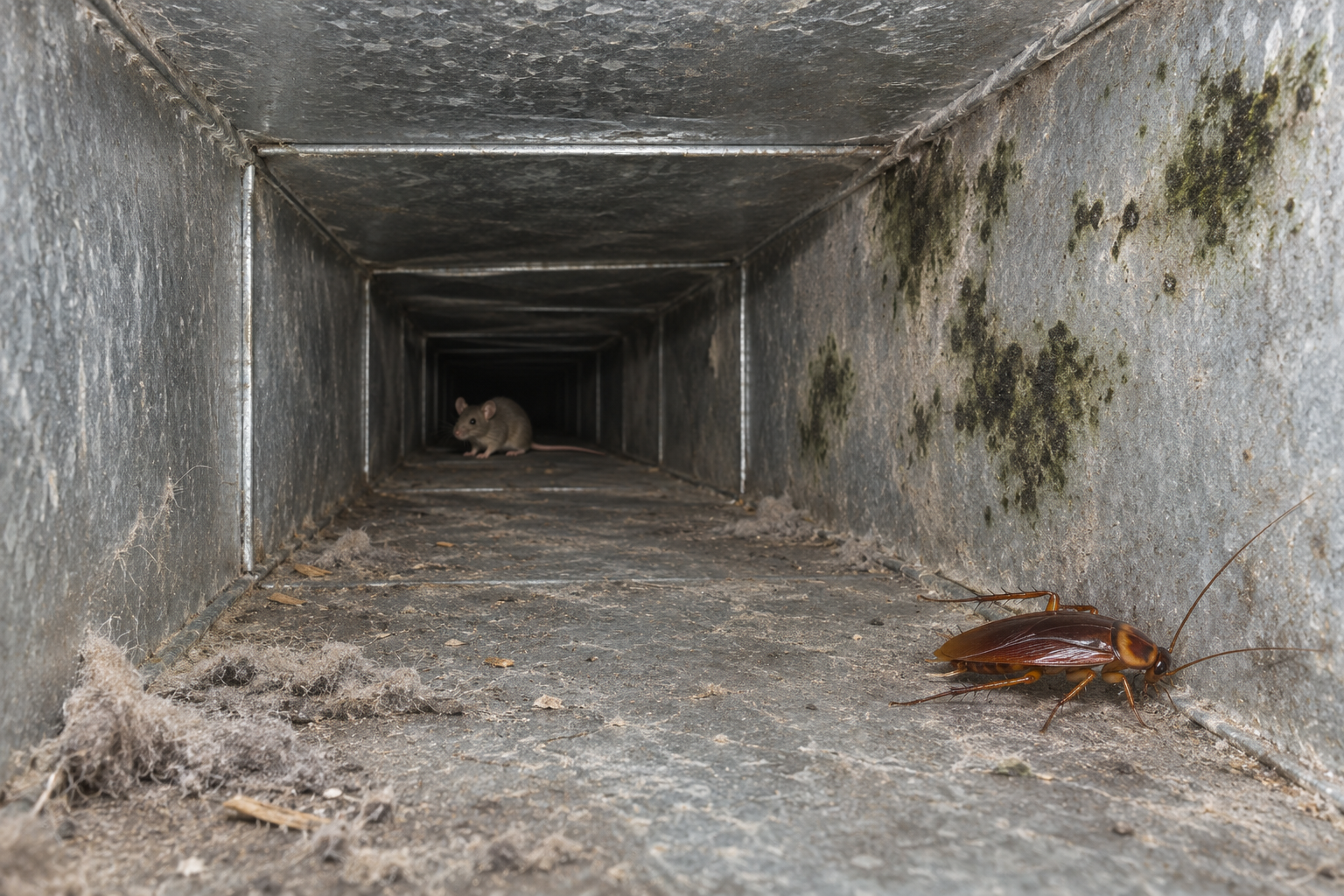
One story that stays with me
A friend told me about moving into a newly built home in Central Florida. When they turned on the air conditioning for the first time, scorpions that had been living in the ducts came out of the vents. That story gave me the scariest two-word phrase I have ever heard: scorpion infestation.
Build for everyday life
The best time to make these choices is while the home is still on paper. Ask what insulation is specified, how air leakage will be controlled, which rooms each system serves and what happens when one system needs service. Get those answers into the project documents.
A refrigerator offers a useful starting lesson: insulation and cooling equipment perform different jobs, and both matter. A thoughtfully designed Buckwild home can carry that lesson further by planning comfort around the way a family actually lives, including the day something needs a repair.
Written by Brian Foshee of Buckwild Barndominiums LLC
https://bwbarndo.com | 352-535-3477